Brownsville-off-road-accessories have become an essential component for enthusiasts looking to elevate their off-road adventures. Among these accessories, tow hooks stand out as versatile and powerful tools, offering both functionality and peace of mind. This article delves into the world of tow hooks, exploring their importance, types, benefits, and how they can enhance your off-roading experience.
Understanding Tow Hooks: A Vital Off-Road Component
What Are Tow Hooks?
Tow hooks, also known as recovery hooks or winch hooks, are sturdy metal fittings designed to be attached to a vehicle’s frame or bumper. They serve as a secure point for connecting towing equipment, such as winches or recovery slings, during challenging off-road situations. These hooks are built to withstand extreme forces, ensuring the safety of both your vehicle and the people involved in the rescue or towing process.
Why Are Tow Hooks Important?
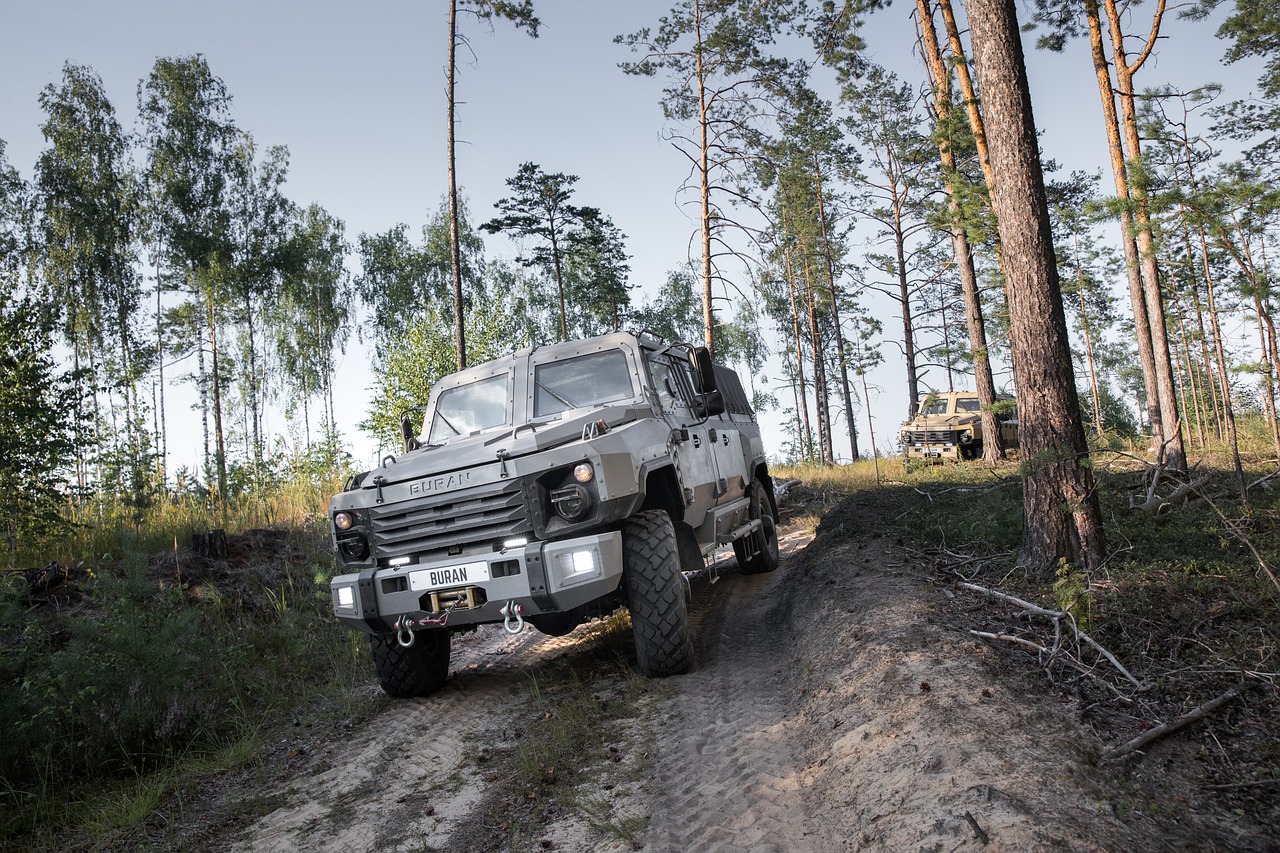
In the rugged terrain often encountered during off-road adventures, getting stuck or facing mechanical failures is not uncommon. Tow hooks provide a reliable means of self-recovery and assistance in such scenarios. Here’s how:
-
Self-Recovery: In the event of getting stuck in mud, sand, or rocky terrain, tow hooks allow you to attach a winch or recovery equipment to your vehicle, enabling you to extricate yourself safely.
-
Assisted Recovery: If another vehicle offers assistance, tow hooks facilitate a secure connection, ensuring a controlled and safe towing operation.
-
Emergency Situations: In cases of broken-down vehicles or accidents, tow hooks can be a literal life-saver, enabling swift recovery and rescue operations.
Types of Tow Hooks: Choosing the Right Fit
Brownsville-off-road-accessories stores offer a wide array of tow hooks, each designed for specific applications and vehicle types. Here’s a breakdown of the common types:
1. Round Tow Hooks
These are the most basic and versatile tow hooks available. Round hooks feature a circular design with a hole for threading a cable or chain. They are suitable for a range of vehicles and recovery scenarios. Look for options with a high-strength rating to ensure durability.
2. D-Ring Tow Hooks
D-ring hooks, as the name suggests, have a ‘D’ shape with a loop on one end and a mounting hole on the other. They are often preferred for their ease of use and versatility. D-ring hooks can be easily attached to various points on your vehicle, making them ideal for different off-road setups.
3. J-Hook Tow Hooks
J-hooks are designed with a curved shape, forming a ‘J’ or ‘hook’ at one end. This design provides a secure grip when attached to a winch or recovery sling. J-hooks are commonly used for heavy-duty applications and are highly effective in extreme recovery situations.
4. Customized Tow Hooks
For unique vehicle setups or specialized needs, customized tow hooks are an excellent option. These hooks are tailored to fit specific vehicle models and can be designed with various mounting options, ensuring a perfect fit. Customized hooks offer both functionality and a personalized touch to your off-road gear.
Benefits of Installing Tow Hooks
Investing in Brownsville-off-road-accessories like tow hooks offers numerous advantages for off-road enthusiasts:
-
Enhanced Safety: Tow hooks provide a secure attachment point for recovery equipment, reducing the risk of accidents during self-recovery or assistance from others.
-
Increased Versatility: With different types of tow hooks available, you can adapt your setup to various off-road scenarios, whether it’s a mild trail or a challenging recovery mission.
-
Peace of Mind: Knowing that you have a reliable tow hook system installed gives you confidence when exploring remote areas or facing unexpected challenges on the trail.
-
Resale Value: Vehicles equipped with functional and high-quality tow hooks often retain their value better, as these features are highly desirable among off-road enthusiasts.
-
Simplified Recovery: In the event of getting stuck, having a tow hook system makes it easier for rescue teams or fellow off-roaders to assist, potentially saving time and effort.
Installing Tow Hooks: A Step-by-Step Guide
Proper installation of tow hooks is crucial for ensuring their effectiveness and safety. Here’s a simplified guide to help you through the process:
Step 1: Choose the Right Location
Select a sturdy and secure location on your vehicle for mounting the tow hook. The ideal spot is the front or rear bumper, or a reinforced area of the vehicle frame. Ensure it aligns with the hook’s mounting hardware.
Step 2: Prepare the Mounting Surface
Clean the chosen area and ensure it is free from dirt, grease, or any debris. If necessary, use appropriate tools to create a clean and smooth surface for optimal adhesion of the mounting hardware.
Step 3: Attach the Tow Hook
Follow the manufacturer’s instructions for attaching the tow hook. This typically involves securing the hook with bolts or brackets. Ensure all hardware is properly tightened according to the specified torque requirements.
Step 4: Test the Installation
After installation, test the tow hook by applying gradual tension to ensure it remains securely in place. Check for any loose components and make adjustments as needed.
Step 5: Regular Maintenance
Regularly inspect your tow hook for any signs of wear, corrosion, or damage. Keep the mounting area clean and well-maintained to ensure the tow hook remains functional and secure.
FAQ: Answering Your Brownsville-Off-Road-Accessories Queries
Q: Can I use tow hooks on my everyday vehicle?
A: Absolutely! Many off-road enthusiasts use their vehicles for everyday driving, and tow hooks can be a valuable addition for unexpected situations. Modern tow hooks are designed to meet both off-road and on-road requirements, ensuring they can handle various driving conditions.
Q: How do I choose the right size tow hook?
A: The size of the tow hook depends on your vehicle’s weight, towing capacity, and the type of recovery equipment you plan to use. Check your vehicle’s owner manual or consult with a specialist to determine the appropriate size and strength rating for your needs.
Q: Are there any safety considerations when using tow hooks?
A: Safety is paramount when using tow hooks. Always ensure that the hook is securely attached and that the recovery equipment is properly rated for the task. Never exceed the recommended load capacity, and be mindful of the angle and tension when attaching the hook to prevent damage or injury.
Q: Can I install tow hooks myself?
A: Many tow hook installations can be done by enthusiasts with basic mechanical skills. However, for optimal results and safety, it’s recommended to consult a professional, especially if your vehicle has unique mounting requirements.
Conclusion: Elevate Your Off-Road Adventure with Tow Hooks
Brownsville-off-road-accessories, including tow hooks, represent a significant advancement in ensuring off-road safety and versatility. With their ability to facilitate self-recovery, assist in rescue operations, and enhance overall off-road performance, tow hooks are a must-have for any serious off-road enthusiast. By choosing the right type and ensuring proper installation, you can maximize the benefits of this powerful accessory, opening up new possibilities for your adventures.
Remember, preparedness is key in off-road exploration. Equip yourself with the right tools, knowledge, and accessories, and embrace the challenges and rewards that lie ahead on the trail.